Publications
R&D Around Making a Better Apparel Industry

Nature Coatings BioBlack Ink Case Study
We worked with Nature Coatings and their BioBlack ink to test it against petroleum carbon black and several other bio-based pigments on the market. The results were telling — BioBlack delivered the best performance, value, and sustainability.
Dye House of the Future
View the pitch deck Eric Henry presented to the judges for the Alamance Chamber of Commerce’s Impact Grant. It lays out our plan to create the dye house of the future. We didn’t win first place but came in second with the Peoples Choice award of $5,000.
TS Designs Corporate Sustainability Report
At TS Designs, we have redefined traditional apparel manufacturing by adopting a more responsible, holistic, and circular approach that is rooted in our founding principles of People, Planet, and Profit. Read more about our philosophies here.
Black Walnut Value Chain
A team of Sustainable Innovation MBA students from the University of Vermont teamed up with Know Your Clothing and TS Designs for their Practicum Project to aid in developing a system to leverage black walnuts commercially in North Carolina.
Going Glocal
“Glocal,” a portmanteau term built on globalization and localization, emphasizes that the two concepts exist not in polar opposition but in mutual interdependence in a globalized world. Typified by the slogan “Think globally, act locally,” people understand the significance of globalization when it affects their local environment.
Hemp for Textiles
If developing the industrial hemp industry would benefit farmers, manufacturers, and sustainability-driven consumers, why not start churning out hemp apparel made in the US tomorrow? It’s not as easy as it sounds.
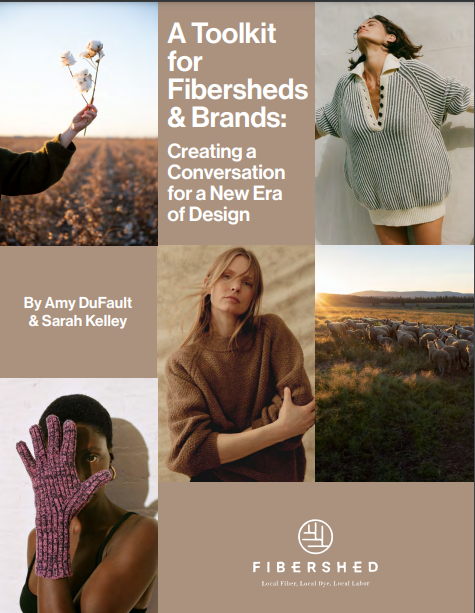
A Toolkit for Fibersheds & Brands
If we are to create textiles within a framework of ecological balance, we will have to create from a very old place—an honest place where design for decomposition leads, and ego and profit take a back seat.
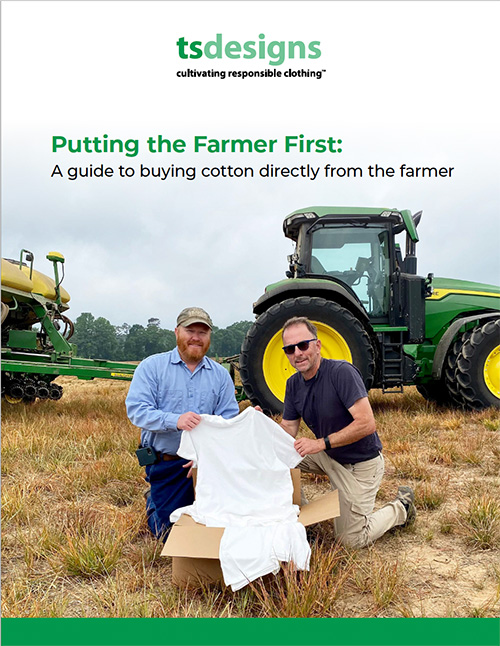
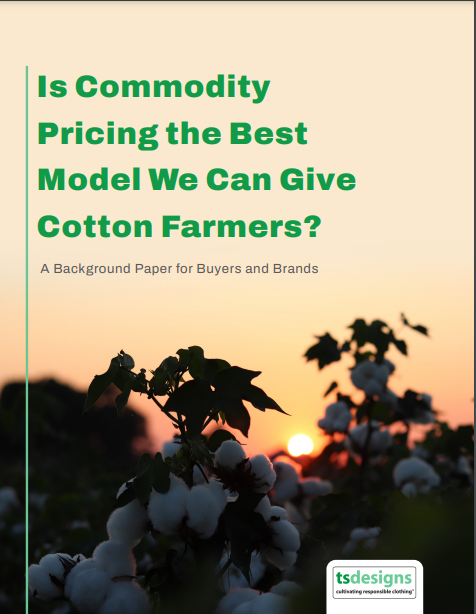
Is Commodity Pricing the Best Model We Can Give Cotton Farmers?s Here
In a multi-billion-dollar global industry, farmers have become invisible. Though they’re integral to world markets — and thus essential to every aspect of our daily lives — they’re often forgotten.